

How Continuous Learning Shapes a Better Future
Discover how continuous learning helps individuals develop new skills, adapt to change, and create better opportunities for personal and professional […]
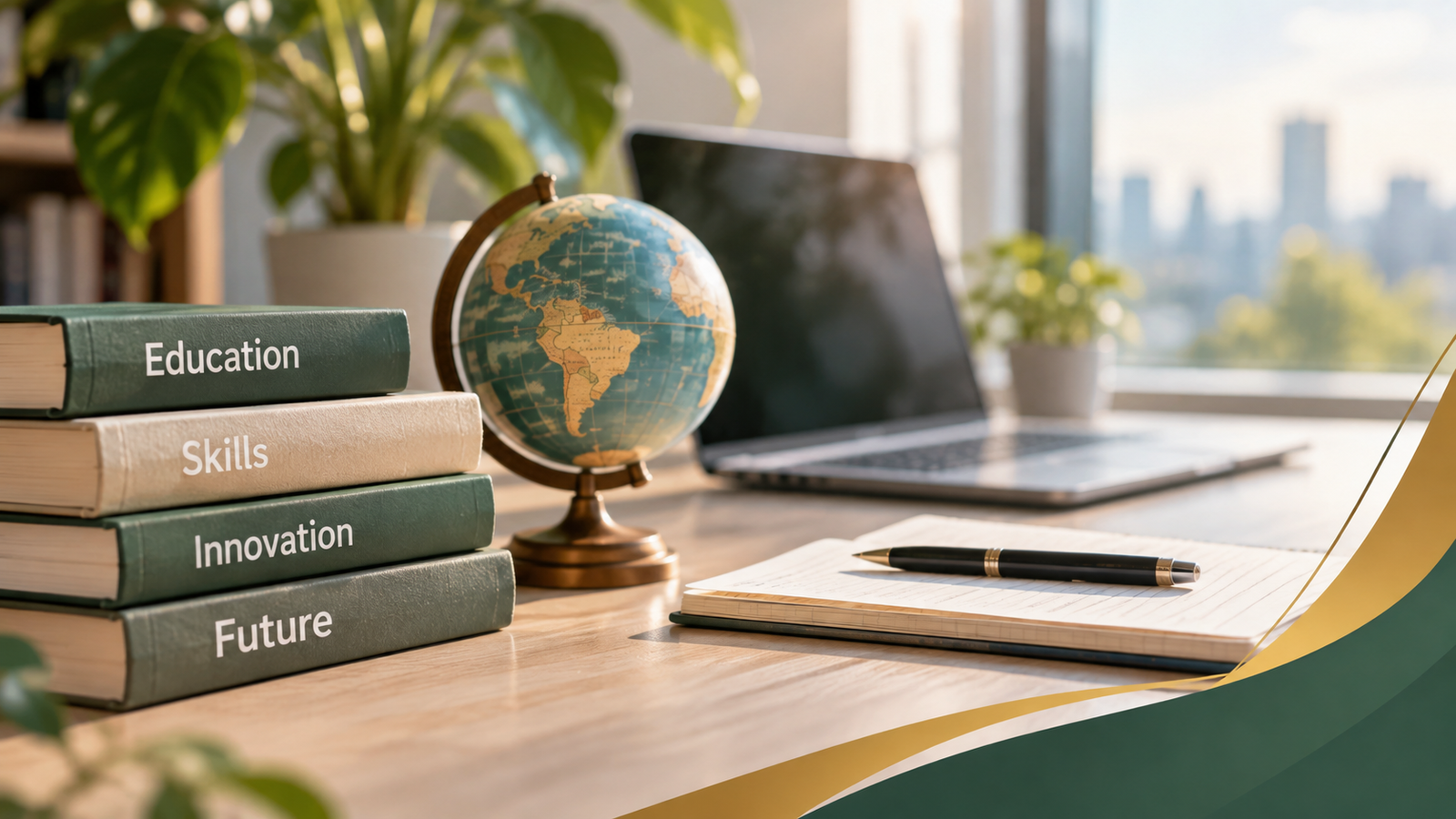
Discover how continuous learning helps individuals develop new skills, adapt to change, and create better opportunities for personal and professional growth.
Introduction
Learning does not stop when we leave school or graduate from university. In a rapidly changing world, continuous learning has become an essential part of personal development and professional success.
Whether you want to improve your career, explore a new field, or develop your personal skills, every learning experience brings you one step closer to your goals.
Why Is Continuous Learning Important?
Continuous learning helps individuals stay updated, build confidence, and adapt to new challenges. It encourages curiosity and creates opportunities for growth.
Some of its key benefits include:
- Developing new skills: Learn practical skills that support your personal and professional goals.
- Improving adaptability: Become more prepared to handle changes in technology and the workplace.
- Building confidence: Gain confidence through knowledge and practical experience.
- Expanding opportunities: Discover new career paths and professional possibilities.
Practical Ways to Make Learning a Habit
You do not need to spend hours studying every day. Small, consistent steps can make a significant difference.
1. Set Clear Learning Goals
Start by identifying what you want to achieve. Choose a specific skill or subject and create a realistic plan.
2. Use Different Learning Resources
Explore online courses, books, educational videos, workshops, and practical projects.
3. Apply What You Learn
Knowledge becomes more valuable when you put it into practice. Work on small projects and use real-life situations to strengthen your understanding.
4. Stay Consistent
Set aside a specific amount of time for learning each week. Consistency is more important than studying for long hours occasionally.
The Role of Education in Personal Development
Education plays an important role in building stronger individuals and communities. It provides the knowledge, skills, and confidence needed to make informed decisions and contribute positively to society.
At Ertiqaa Vision, we believe that meaningful learning experiences can open doors to new opportunities and support lifelong development.
Conclusion
Continuous learning is not simply about collecting information. It is about developing the mindset and skills needed to grow, adapt, and move forward.
Start with one goal, take one step at a time, and make learning part of your everyday life.